Background article, graphic novel: Electric Life. Text Sander Funneman, illustrations Peter Brouwers
Text © Sander Funneman, Illustrations © Peter Brouwers
The electric dance between flora and fauna is a tale as old as time. It has been brought to us in legends, sagas and fables. But now, so it seems, physics begins to turn fiction into fact.
Honeybees, celebrated for their intricate social structures and meticulous organization, reveal yet another astonishing dimension of their existence: they generate electric fields during their swarming rituals, shaping the electric landscape of the entire planetary atmosphere.
We now know that the impact that insects, like honeybees, have on the atmospheric electricity rivals that of impending thunderclouds. Earth’s atmosphere is electrically charged. The fact that it is electrically charged is evident when lightning strikes. But the Earth’s atmosphere is actually always electrified and the weather can change the charge. The other way around is also true; these atmospheric charges have an impact on the weather as well!
Then, atmospheric electricity has an impact on plants, bacteria and animals. It is known that bees and spiders use it during foraging and migration, and the growth of some mushrooms appears to be stimulated by the presence of powerful atmospheric electricity too. Further, the electric field of the atmosphere affects all fauna and flora. Plants, with their gentle negative charge, emit weak electric fields that bees, charged positively by their flight, detect and decode. This polarity difference is the key to their interaction, a subtle and essential conversation facilitated by the invisible threads of electricity.
And then this about the inverse relationship: not only does the electric field shape the lives of insects, but in turn insects mold the atmospheric field. In measuring the atmospheric electricity near swarming bees, these swarms alter atmospheric electricity with an astonishing 100 to 1,000 volts per meter, a testament to the significant electrical charge that bees carry, and to the impact that this can have on the local electrical environment.
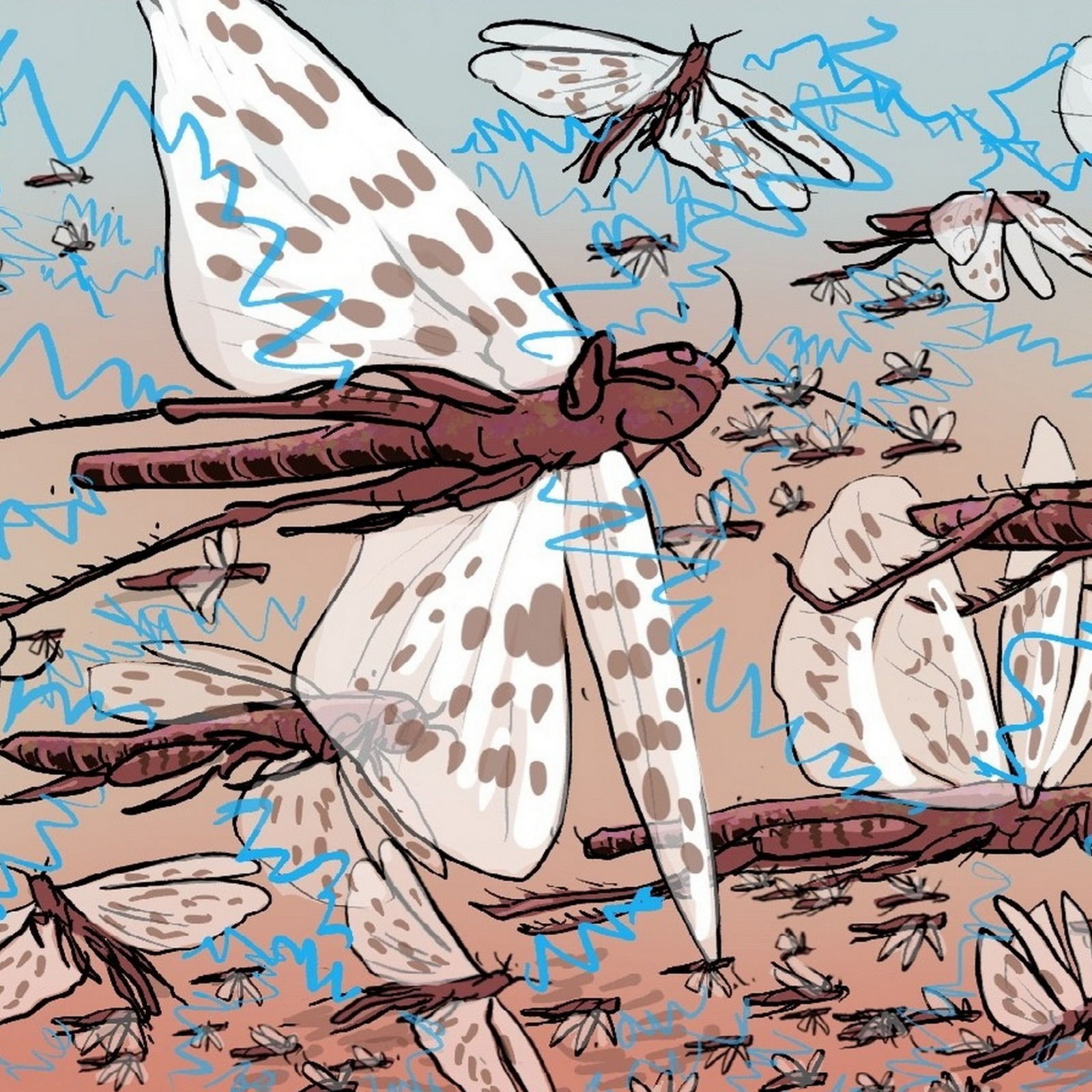
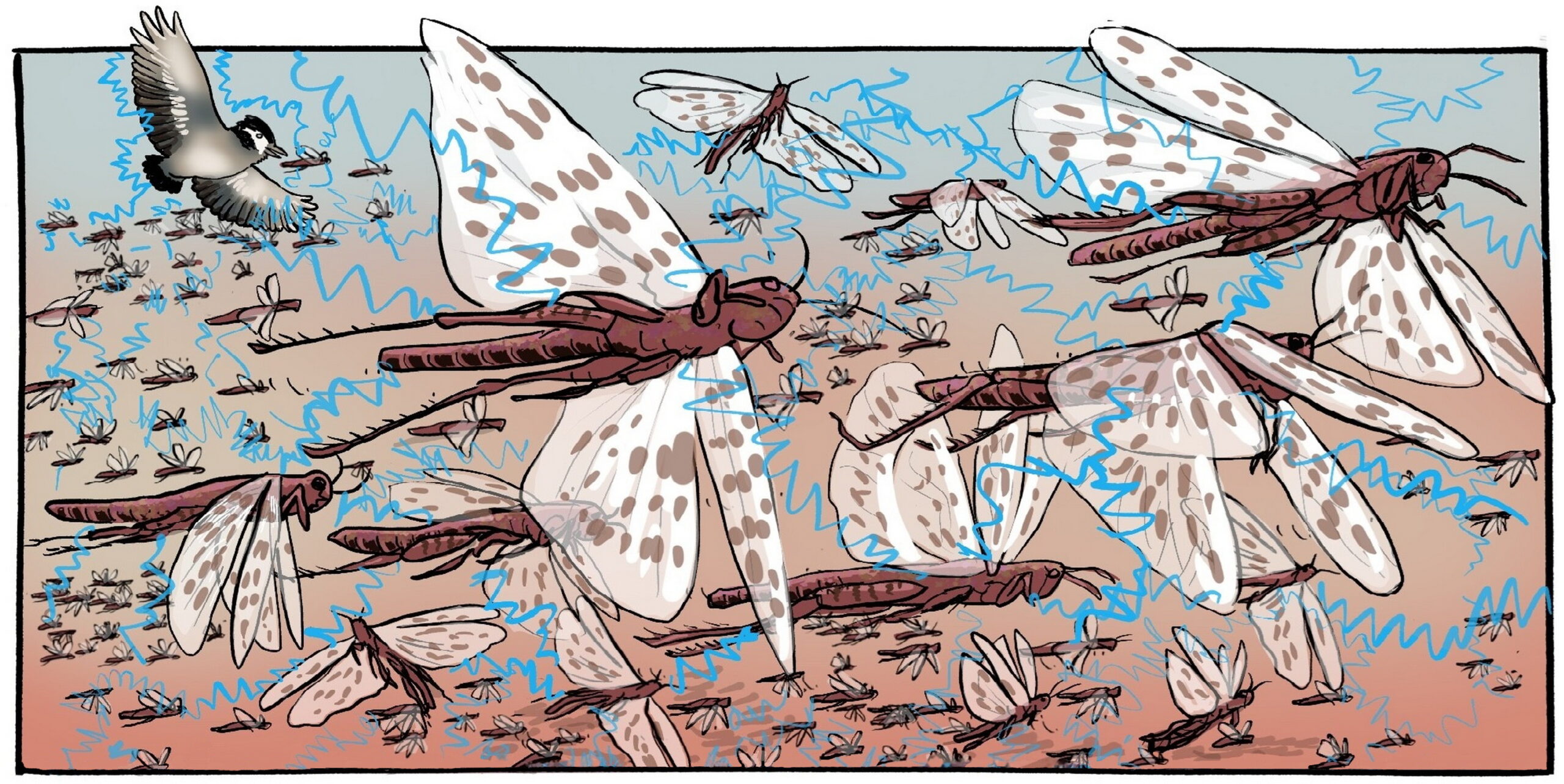
These small positive charges from bees contribute to the atmospheric electric field at large, because our atmosphere acts like a giant battery, storing electricity. As the concentration of positively charged particles increases, due to bee activity, the atmospheric electric field intensifies. Bees are not alone in their electric contributions; other insects, like locusts, also influence atmospheric electricity. Locust swarms, with their massive numbers, exert an even greater influence, amplifying the electric fields many times over as compared to honeybees.
The implications of this phenomenon extends way beyond bees, hinting at possible effects from birds, microbes, and other airborne organisms. We stand on the brink of a new understanding, just beginning to grasp the many wondrous electrical interplays hidden in nature. The dance of atmospheric electricity, entwined with the lives of insects and other creatures, is a symphony, revealing the intricate and powerful ways in which all life on Earth exchanges in a hidden and unspoken language. It’s a humbling and exhilarating reminder that every buzz and every beat of every wing contributes to the great energizing of the electric web of life.
Sources of dance between flora and fauna
Click on the picture