Electric Life at GSGZ Academy
In this Master’s programme, the causes of behaviour are approached from a broad perspective: from the individual and their conscious and unconscious mind, from the social environment in which a person grows up and leads their daily life, and from the much broader context of the electromagnetic world in which we live.
Halo and Helio
Is there electromagnetic communication going on between the human halo and the sun’s heliosphere?
Electric Life Events
Presentations, workshops, forest walks, exhibitions, science & art events and many other things.
Electric Ecologies
This podcast delves into how the subject of electrical ecologies impressed itself in the process of creating the graphic novel Electric Life.

LuMens Podcast
Ferdinand van der Neut spreekt met Sander Funneman over een paradigma verschuiving van fysiek-chemisch denken naar elektromagnetisch leven.
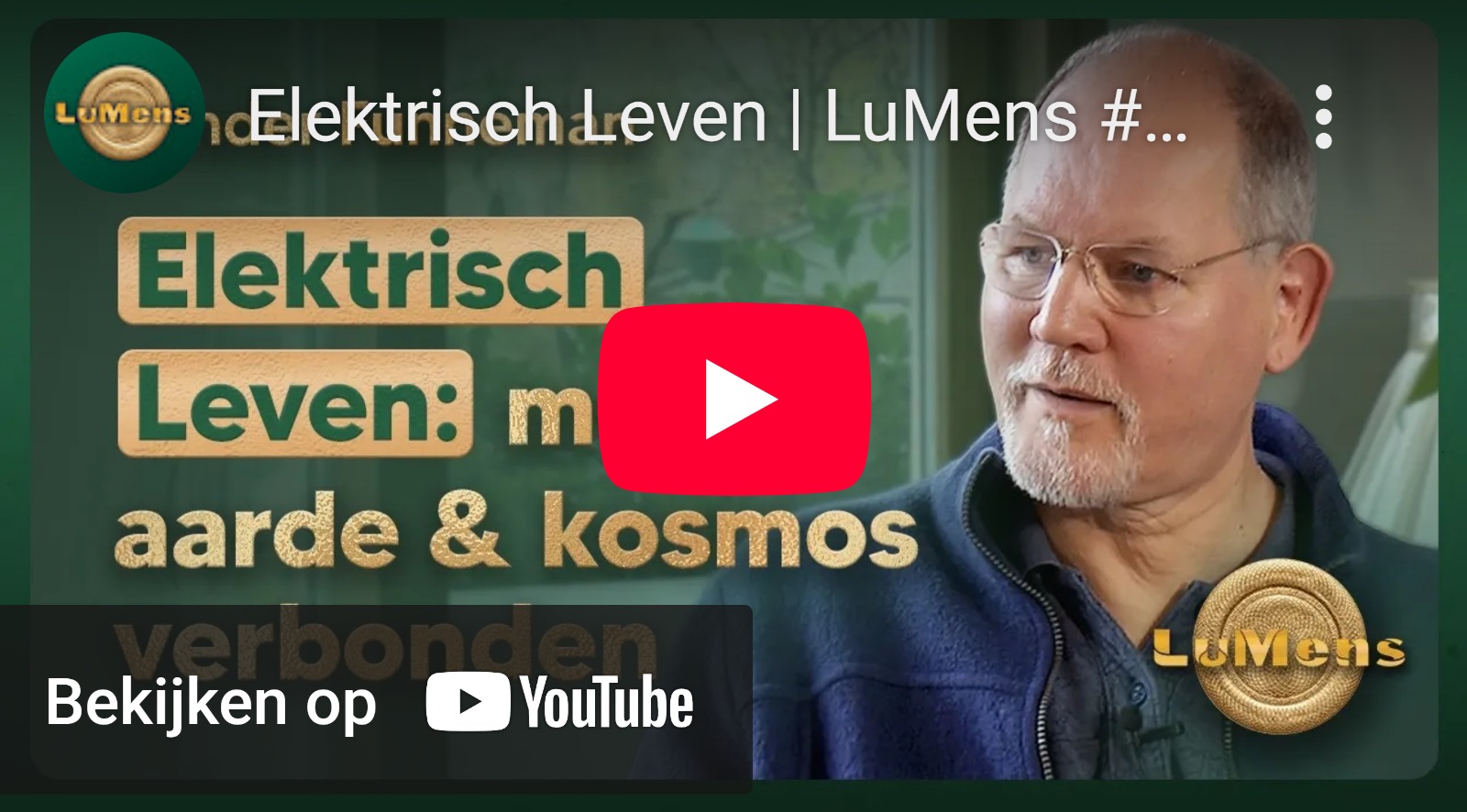
Electric Life Interview
This podcast features an interview by David Gomme with Sander Funneman, author of Electric Life. The book constitutes a fascinating perspectives about the workings of electromagnetism in the natural worlds and the worlds of human development.

Optimist Spotlight
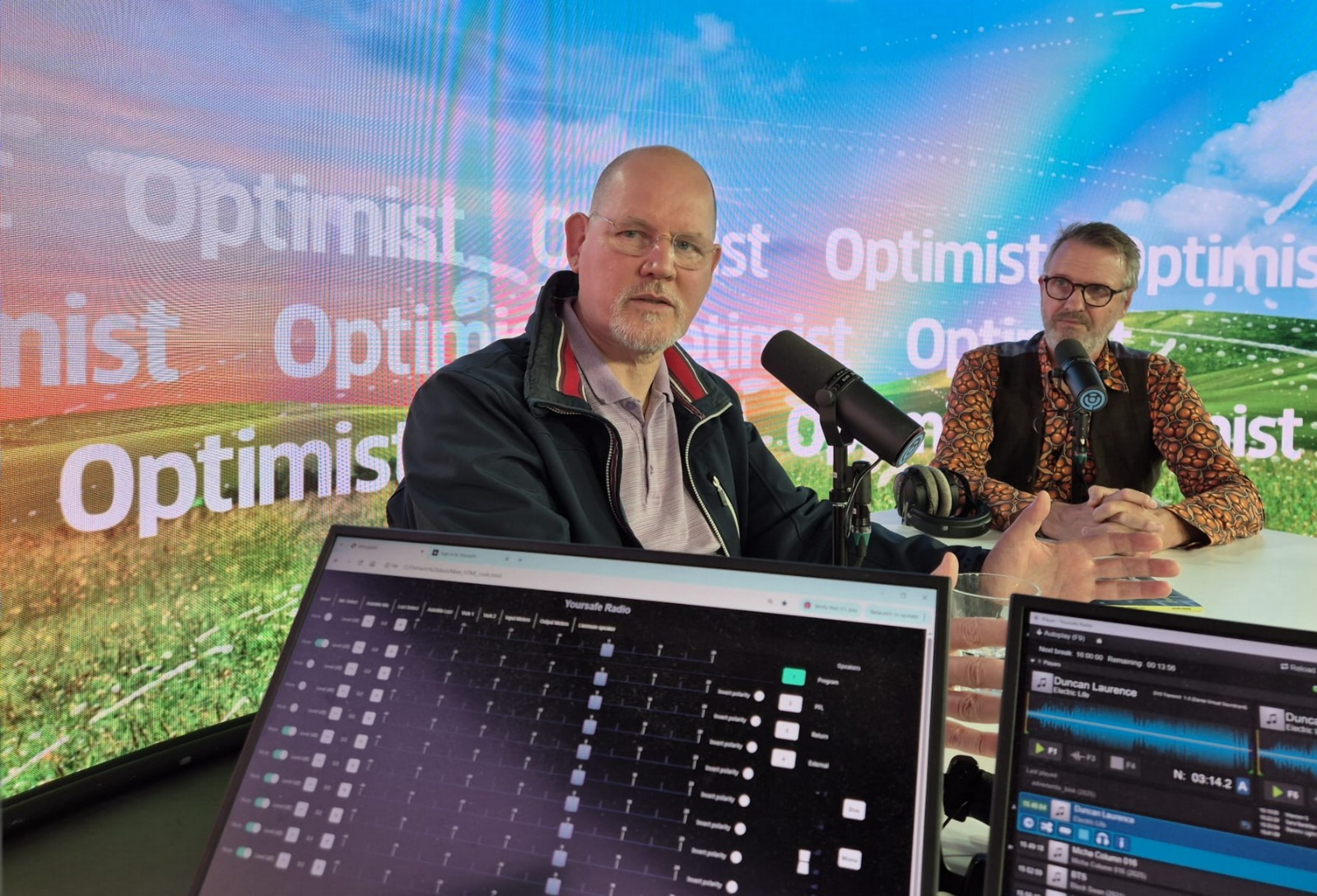
Uitzending 18 september 2025 met Brian de Mello, Sander Funneman en Peter Brouwers over het maakproces van de graphic novel Elektrisch Leven.
Ziekenomroep NL
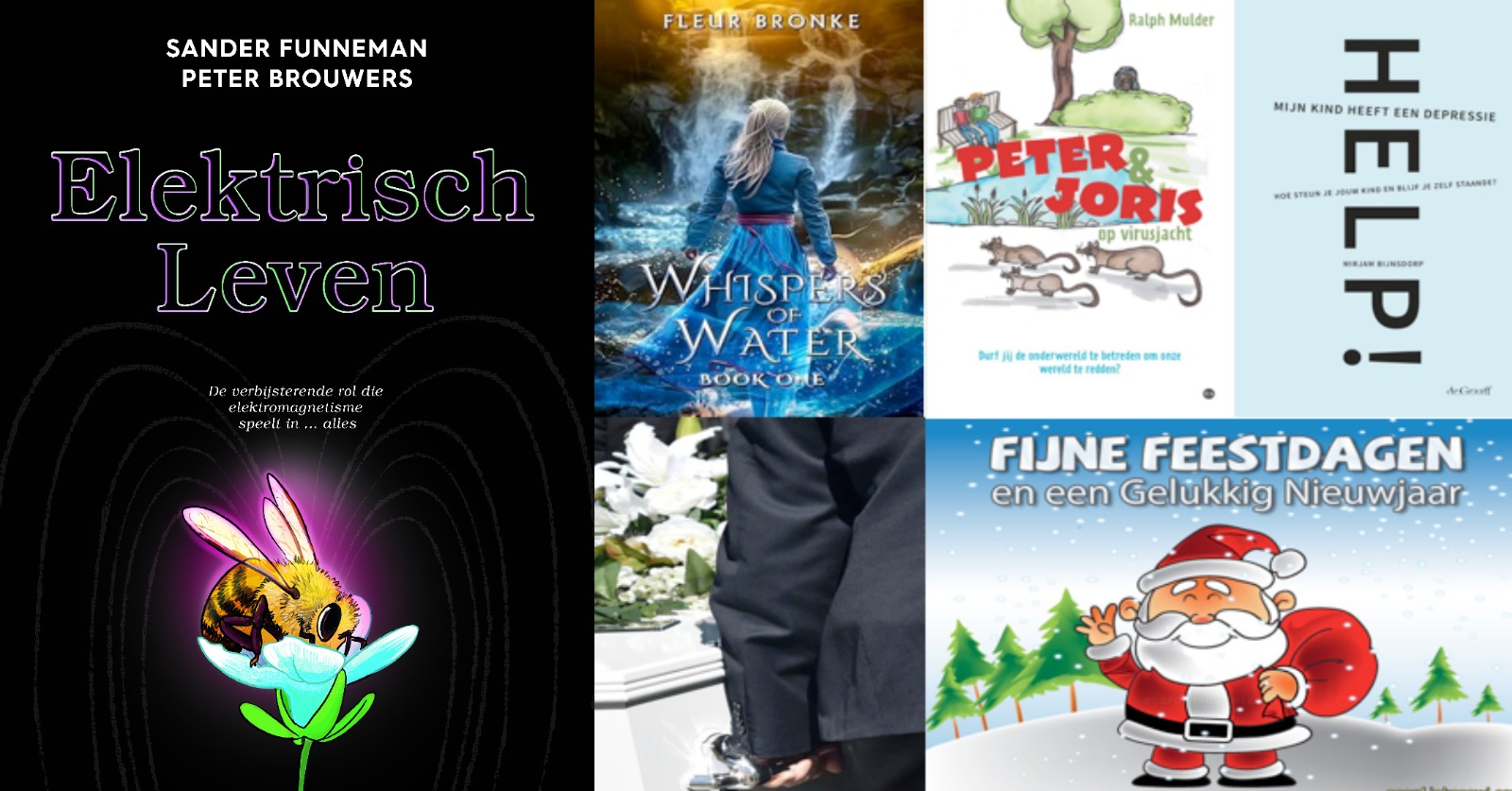
Boekbespreking van de graphic novel ‘Elektrisch leven’ december 2025, week 52 DEEL 02, 1e boek
Launching Electric life
The graphic novel Electric Life will be launched in The Netherlands by Scratch Books, Amsterdam on the 18th of September, in the US, the UK and Canada by Macmillan’s 23 Street on the 19th of November and is somewhere in 2026 expected to be launched in China.
Electric Life impression
This snapshot shows the early process of imagining a future research center, dedicated to exploring the electromagnetic possibilities of human bioelectricity.
What may seem futuristic has surprisingly deep roots: as early as the 1750s, doctors and scientists were already experimenting with electricity as medicine. Curious? Have a look at F. Winckel’s ‘Medicalising Electricity in the Dutch Republic, 1745–1789 (2022)’.
Magic bacteria (1)
Microbes communicate with each other and their surroundings by means of both wireless and wired electromagnetic signals. Chromosomes act as antennae with signals that travel through genetic circuits to produce species-specific frequencies. Different species of bacteria have different DNA lengths in their chromosomes. These lengths determine the frequency. (Widom, 2011).
Magic bacteria (2)
How does a bacterial colony function? A bacterial colony can divide work. For instance, the outer microbes may defend against threats or breathe for the whole, whereas bacteria living in a colony at the bottom of a lake may specialize in finding or producing food for the whole colony. Bacteria appear to use electrically charged particles to organize and synchronize all their activities inside the colony. (Süel, 2015).